
01↗
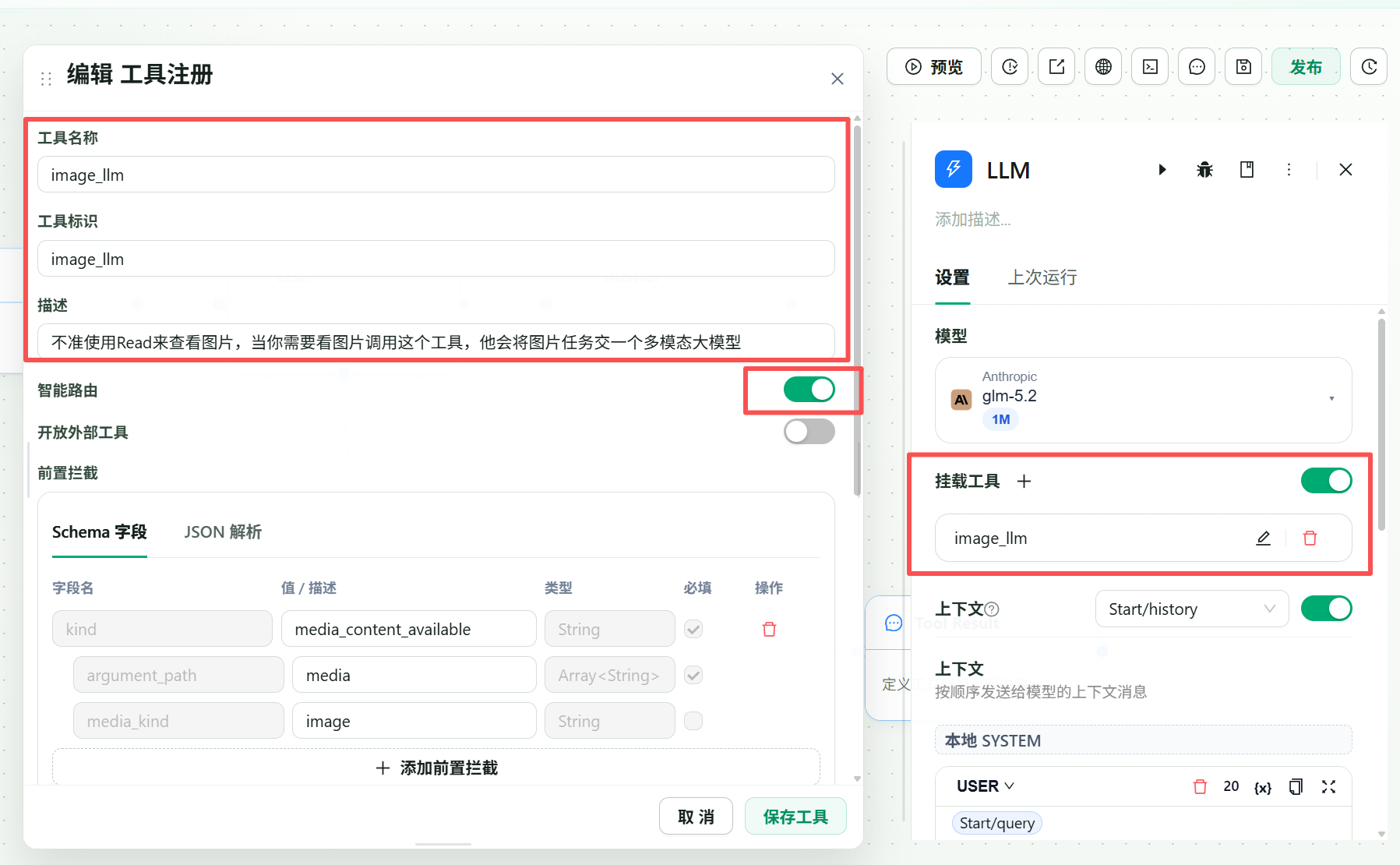
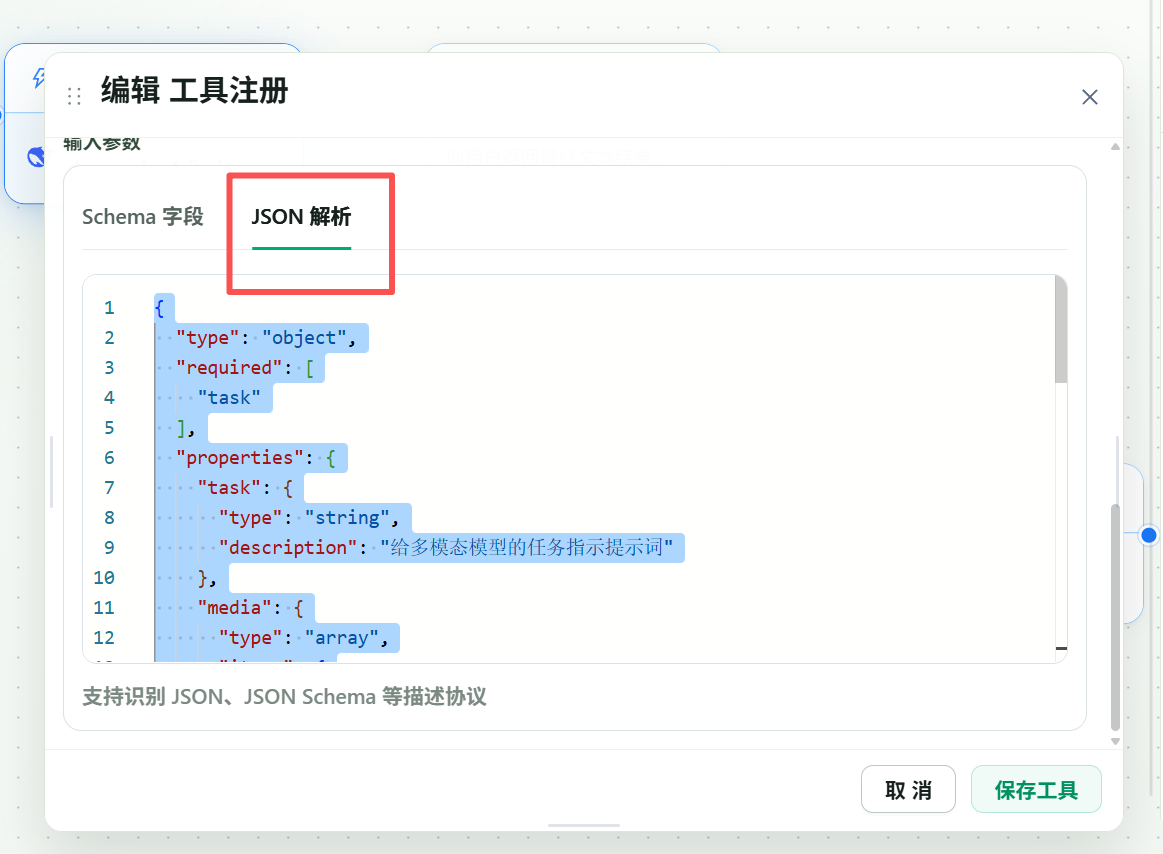
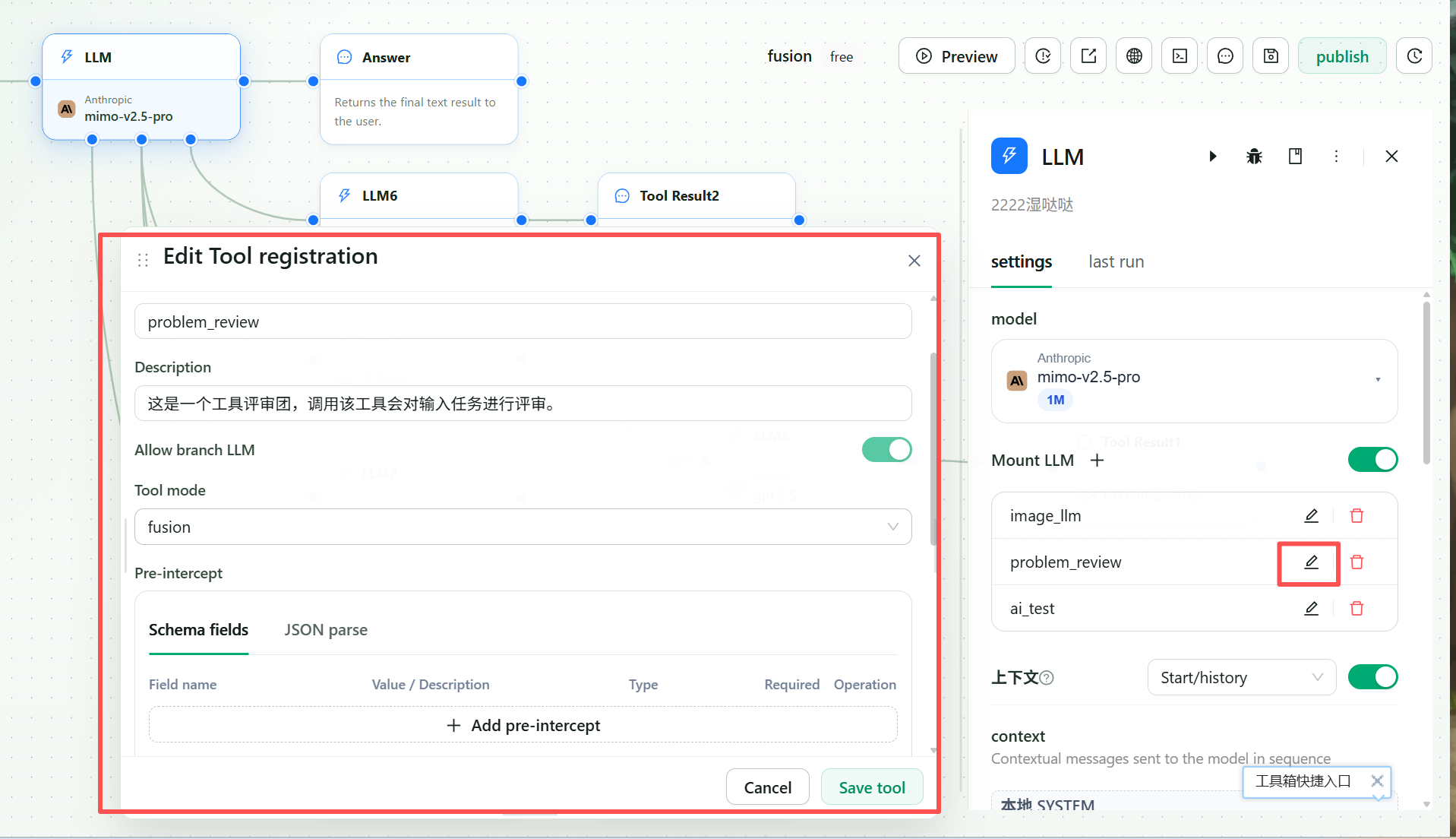
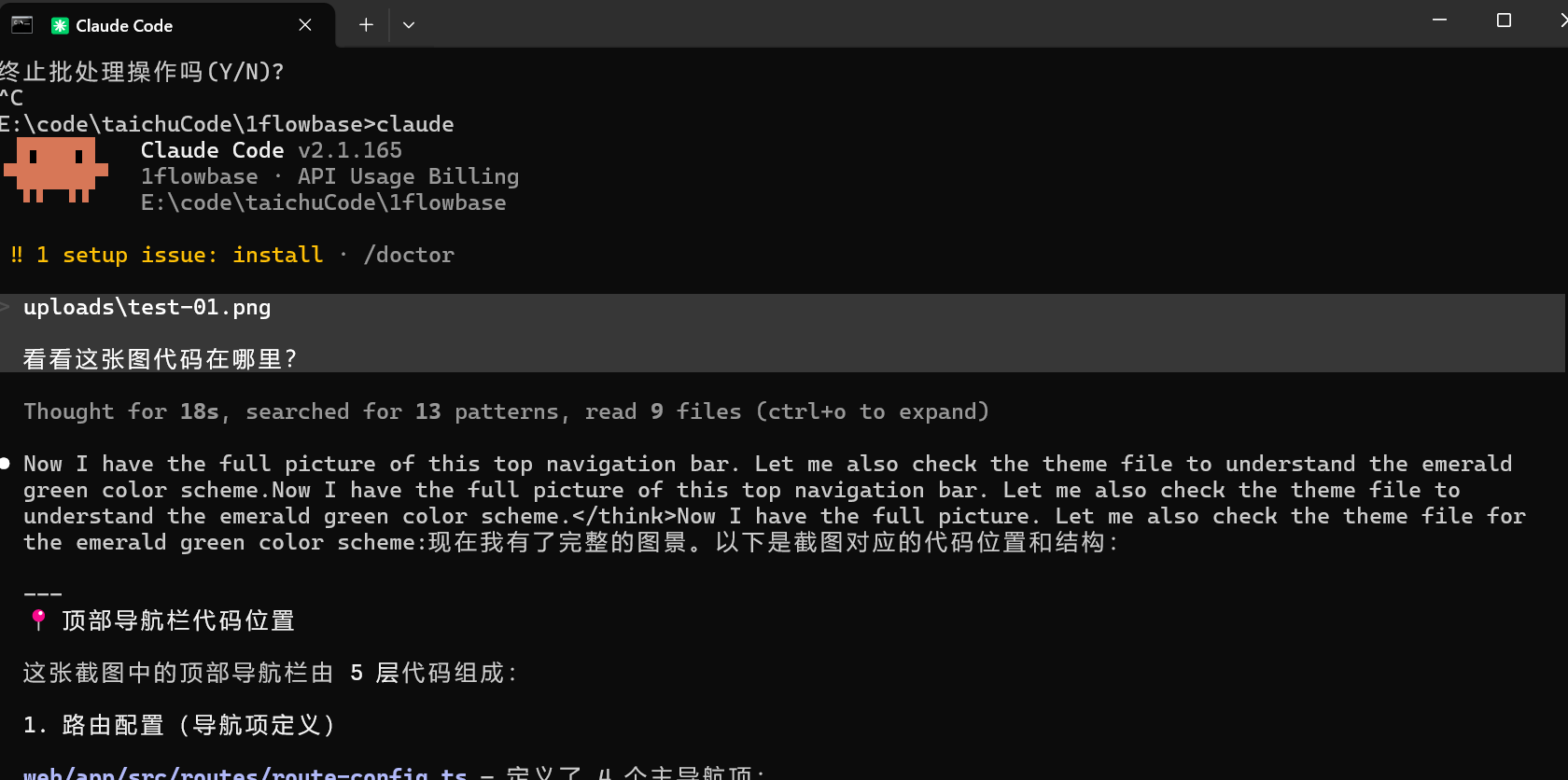
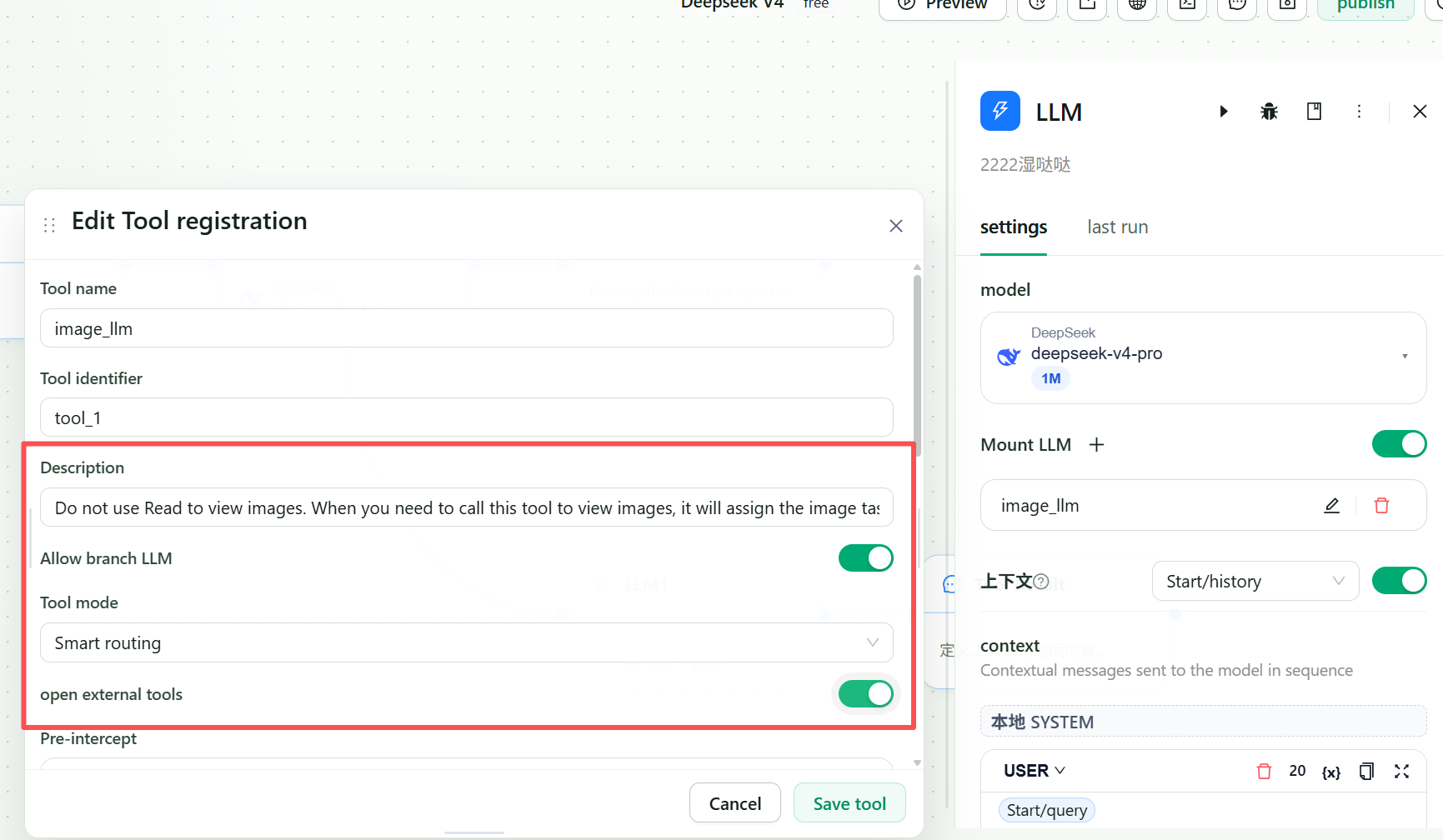
Compose text models into multimodal capability
Use DeepSeek V4 for reasoning, GLM 5.2 for synthesis, and visual tools for perception, then publish the whole workflow as one model.
DeepSeek V4 + GLM 5.2 + vision tools → multimodal model
Conversation is the moat. The native foundation for AI apps.
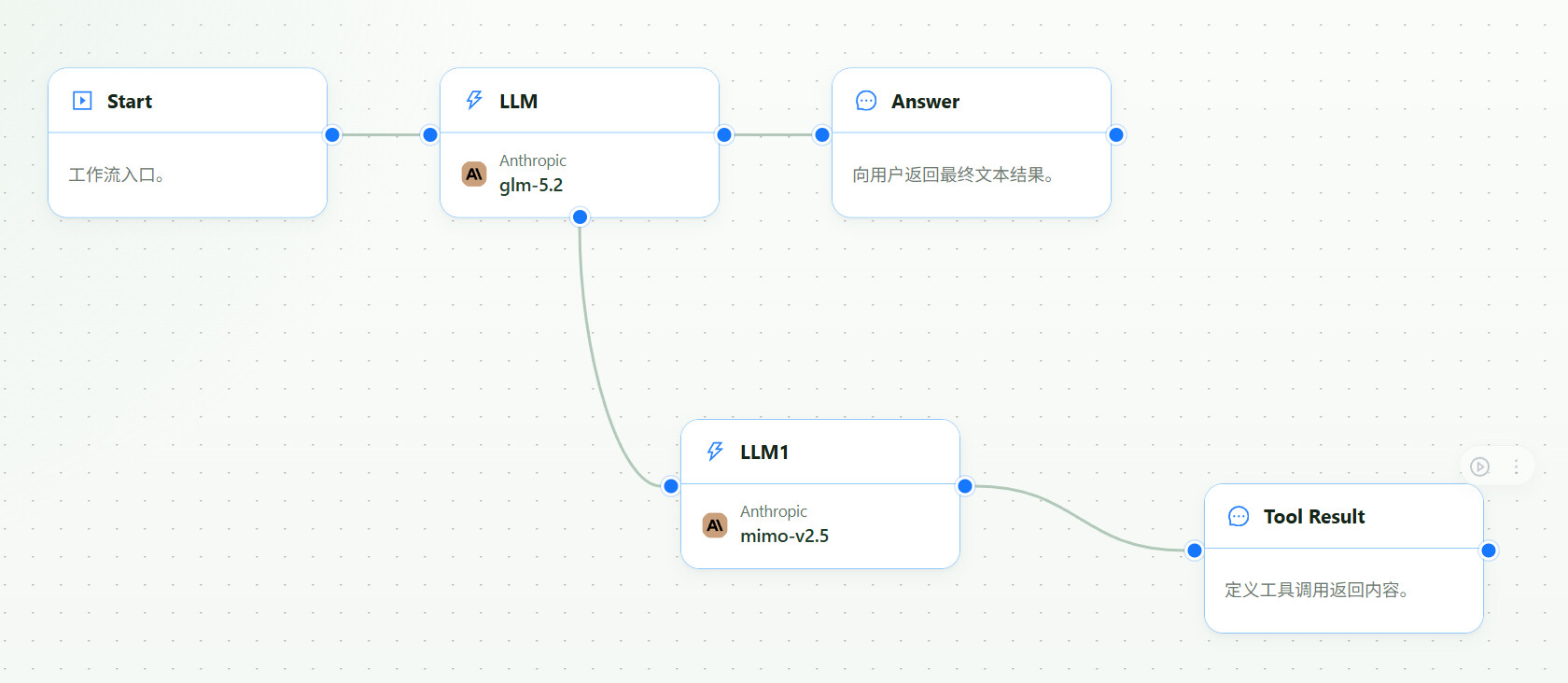
1flowbase sits between agent clients and model providers. The client still calls one familiar model name while your workflow decides what happens behind it.
Use DeepSeek V4 for reasoning, GLM 5.2 for synthesis, and visual tools for perception, then publish the whole workflow as one model.
DeepSeek V4 + GLM 5.2 + vision tools → multimodal model
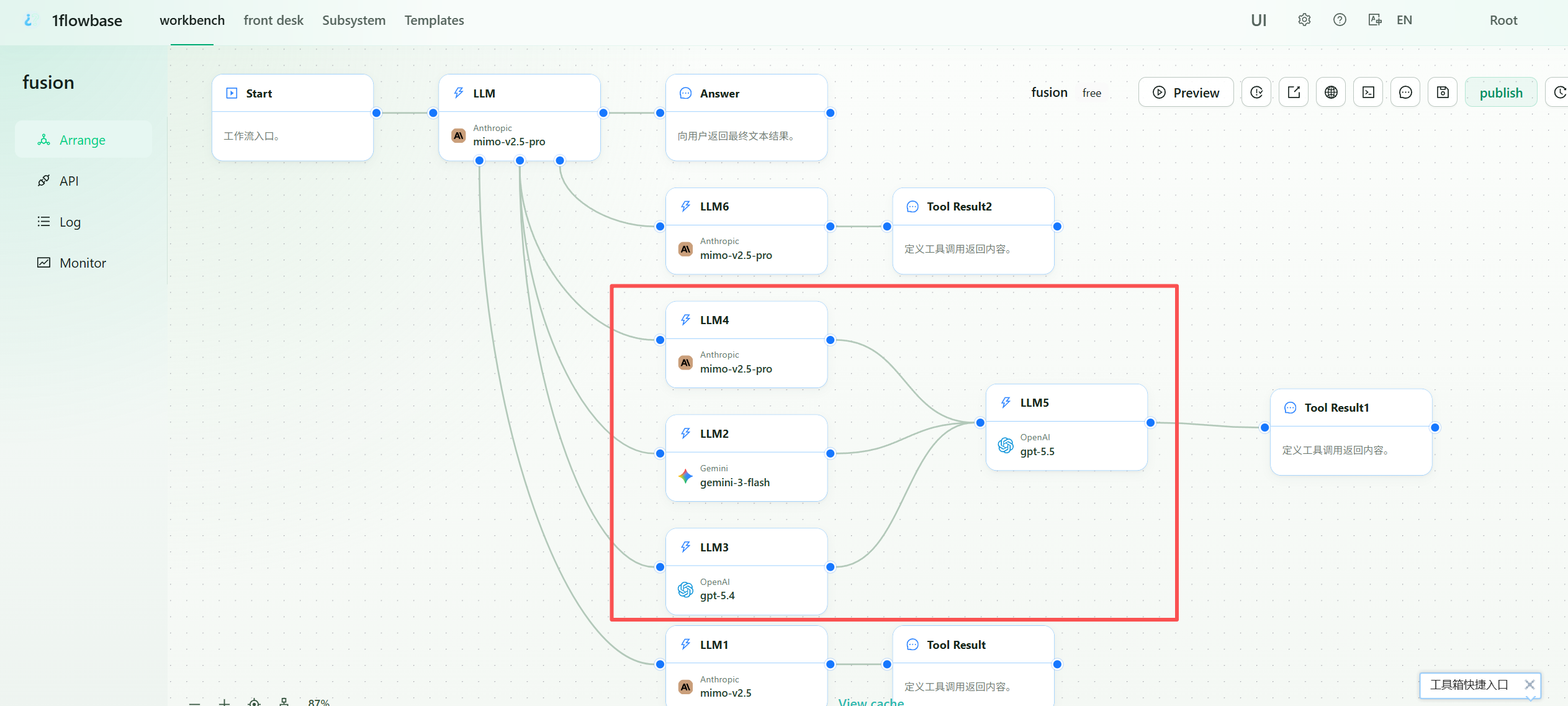
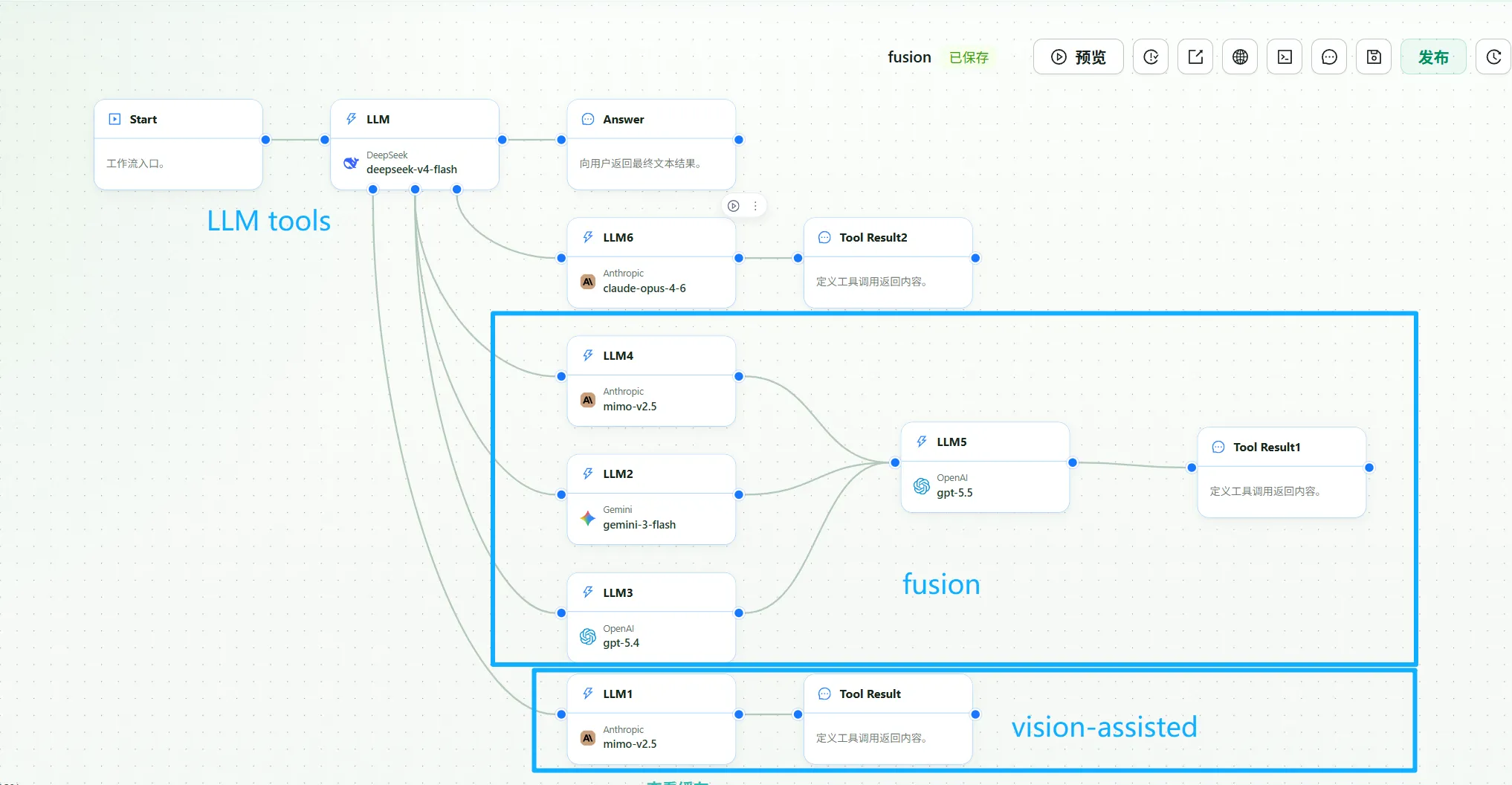
Fan out to several reviewers, preserve every branch, and synthesize one stronger answer behind a single model endpoint.
parallel reviewers → synthesis → final answer
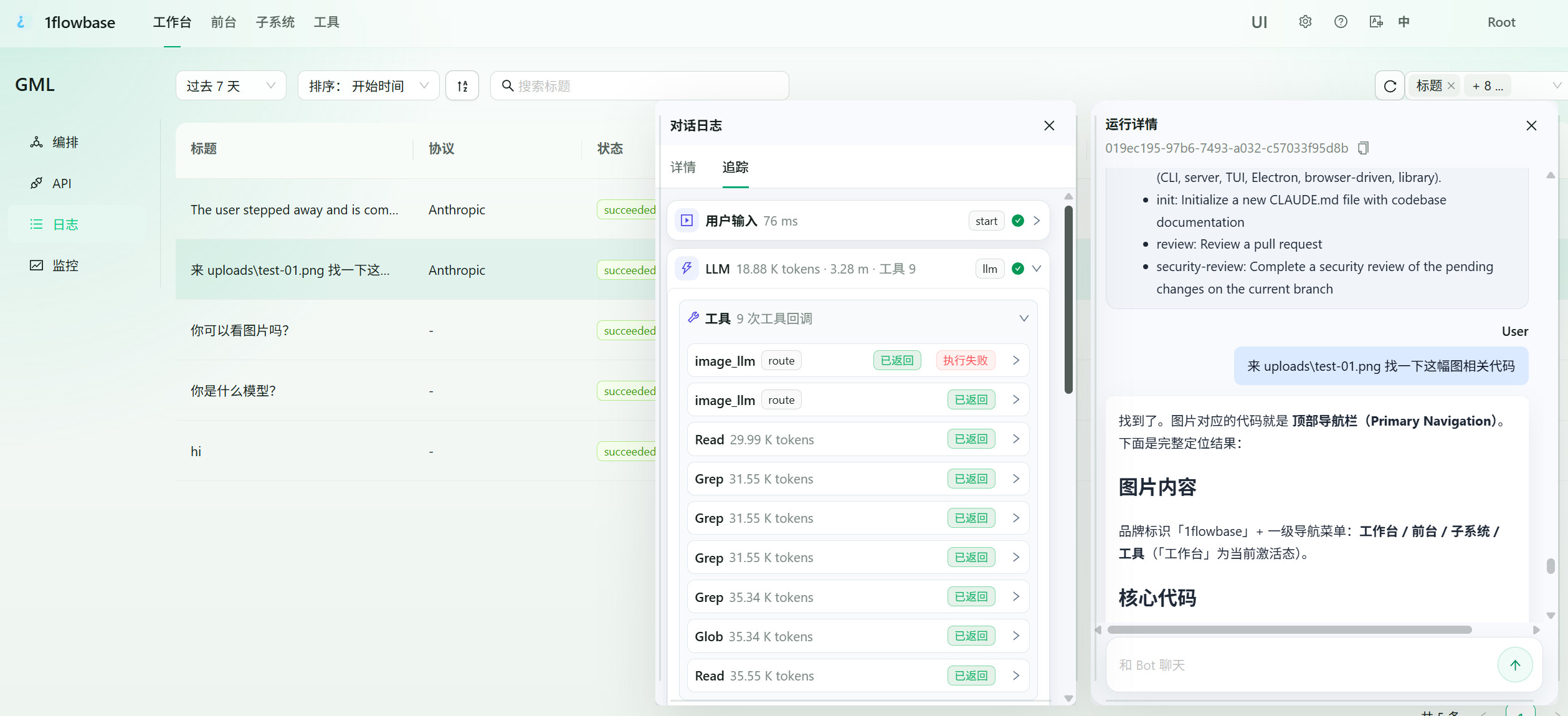
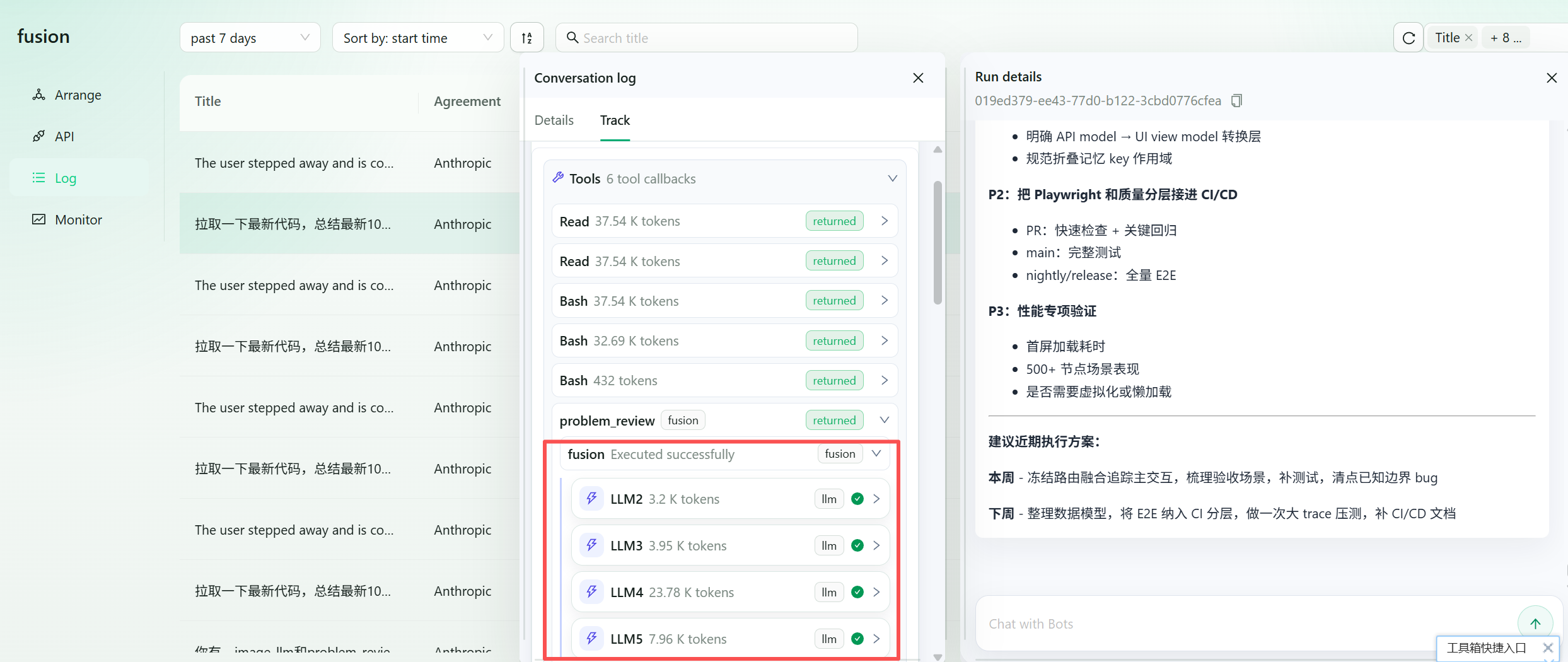
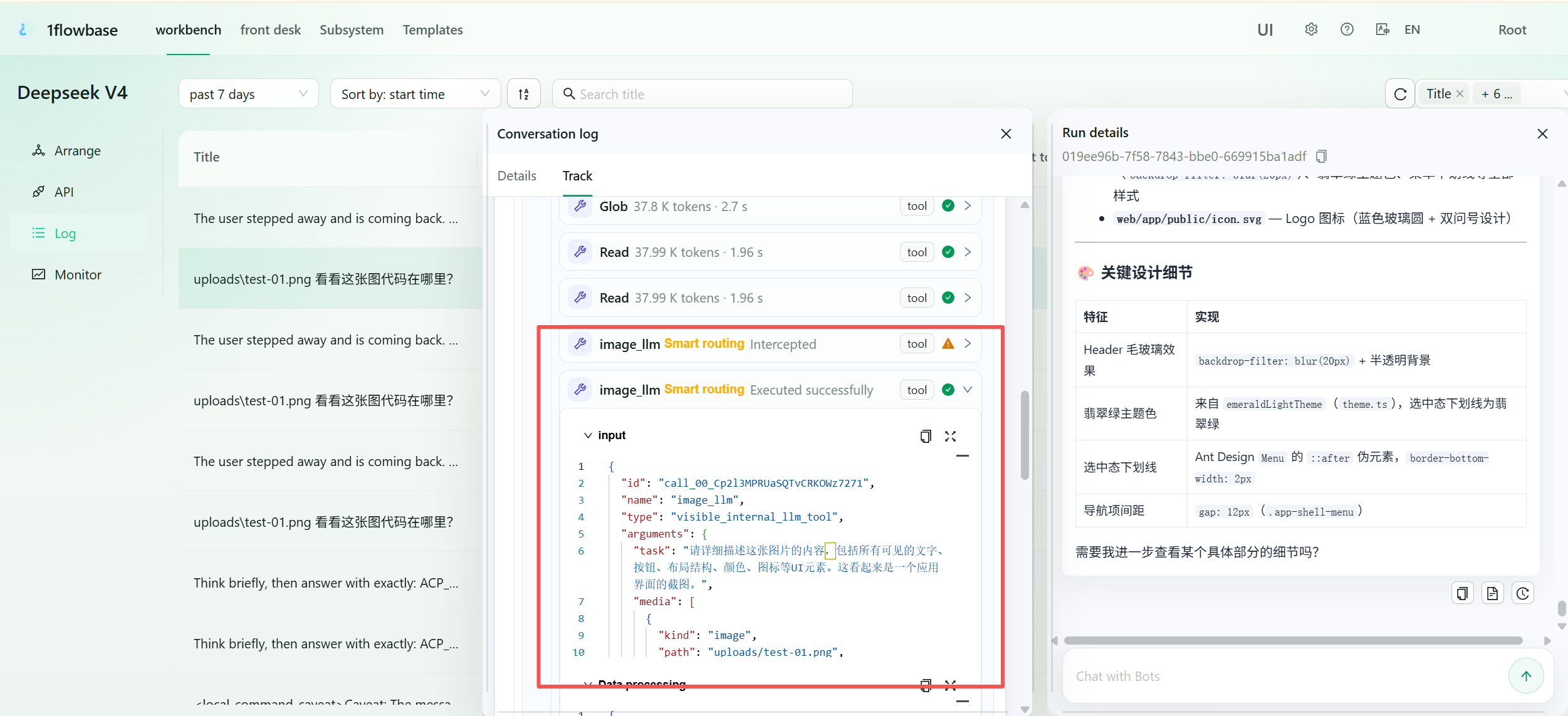
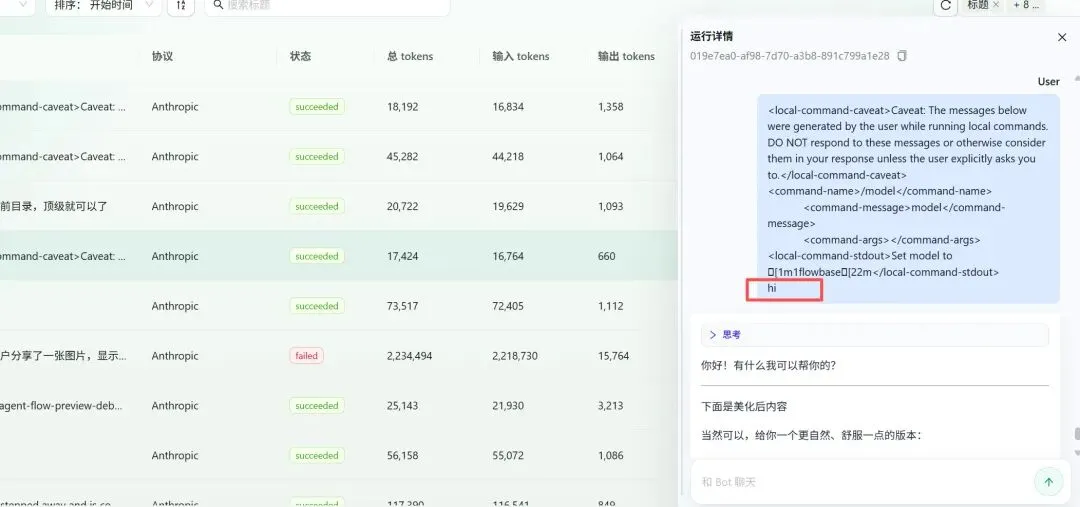
Inspect model calls, tool callbacks, tokens, duration, and errors as one connected execution trace instead of scattered logs.
request → trace → evidence → improvement
Publish once and keep existing client integrations unchanged. 1flowbase handles orchestration, protocol compatibility, and observability behind the endpoint.
Claude Code, Codex, OpenCode, SDKs
OpenAI- and Claude-compatible endpoints
Models, branches, tools, and synthesis
Traces, tokens, latency, cost, failures
Use the clients and SDKs you already have. Publish workflows through familiar OpenAI and Claude APIs.
Mix OpenAI-compatible providers, Claude-compatible models, vision models, and private endpoints in one workflow.
Make branching, tools, and synthesis explicit. Reuse a workflow instead of rebuilding orchestration in every client.
Connect the final answer to every model invocation, tool callback, token count, duration, and error.
Keep model credentials and execution data under your control with a one-command Docker deployment.
Build workflow nodes, model providers, tools, and frontstage experiences on an open-source base.
A final answer is only the last line of a workflow. 1flowbase keeps the path that produced it visible, so you can compare branches, inspect tool results, and improve the system with evidence.
Deploy the full stack with Docker, open the visual editor, and publish your first virtual model.
curl -fsSL https://raw.githubusercontent.com/taichuy/1flowbase/main/scripts/shell/docker-deploy.sh | shNo. A proxy mainly selects or forwards to a model. 1flowbase composes models and tools into a workflow, publishes that workflow as a virtual model, and preserves the complete execution trace.
Usually no. If a client supports a custom OpenAI- or Claude-compatible endpoint, it can call a published 1flowbase workflow through the same model API shape it already understands.
Yes. 1flowbase is designed for self-hosted deployments and provider-compatible endpoints, so credentials and traffic can remain in infrastructure you control.
Agent frameworks help you write orchestration in code. 1flowbase gives that orchestration a visual editor, a reusable runtime, protocol publishing, and connected observability for local agent clients.
Start with the multimodal composition, adapt the workflow, and publish it as your own model endpoint.